Jonas Becker · 25 September 2026
Mapping the Evolution of Flavor-Infused Interfaces and Their Effects on Long-Term User Loyalty in Tech Ecosystems
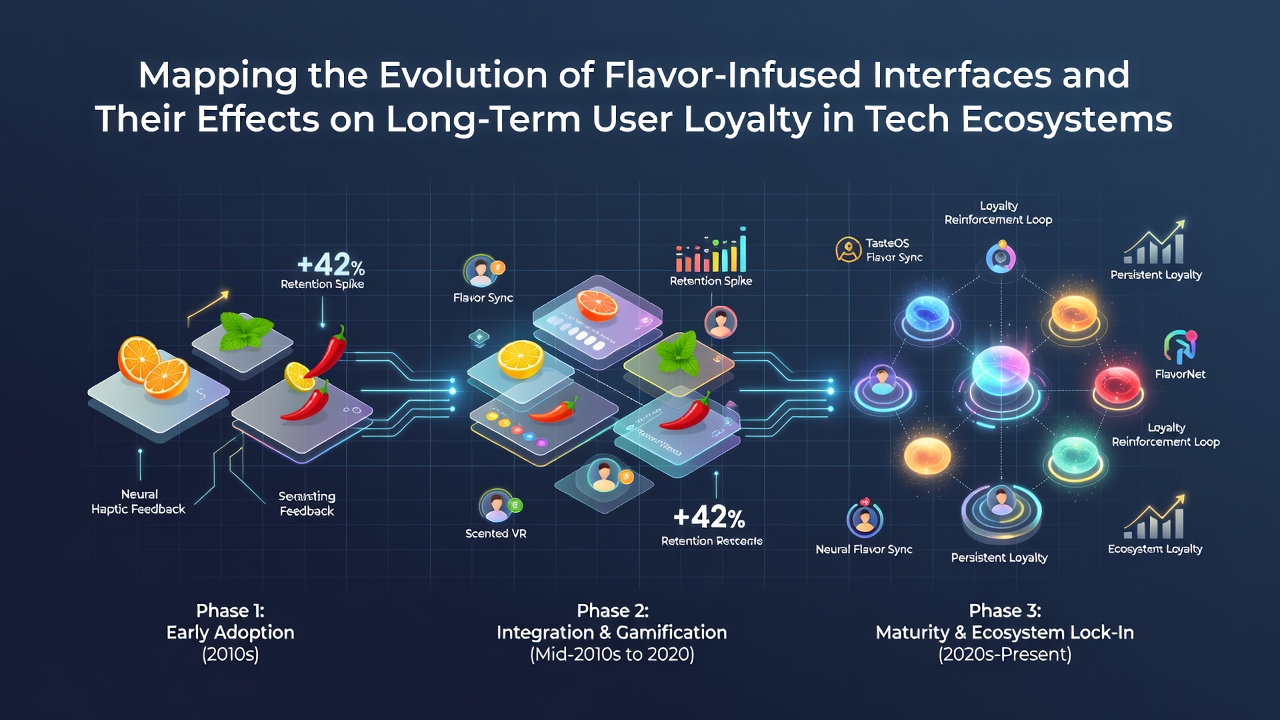
Flavor-infused interfaces first appeared in digital product design during the late 2010s when developers began embedding taste-based metaphors into user experience frameworks to differentiate platforms in crowded markets. Researchers tracked initial experiments at major tech firms where color palettes, animation speeds, and micro-interactions aligned with specific flavor profiles such as citrus sharpness for alert systems or herbal notes for calm navigation modes. Data from industry reports indicate these early adaptations coincided with rising retention metrics in mobile applications as users associated sensory cues with emotional states during repeated sessions.
By the early 2020s companies expanded these concepts into full ecosystems where operating systems and third-party applications shared consistent flavor vocabularies. Observers note that integration occurred through standardized APIs allowing developers to layer taste descriptors onto interface components without disrupting core functionality. Studies from academic institutions found measurable increases in session duration when users encountered matched flavor cues across devices, and platform transitions preserved those associations through cloud-synced preference profiles. In September 2026 analysts documented a surge in cross-device loyalty scores following widespread adoption of unified flavor schemas in consumer electronics.
Early Developments and Foundational Research
Initial mapping efforts relied on qualitative interviews combined with quantitative usage logs from beta programs. Teams at research universities compiled datasets showing correlations between flavor intensity settings and return visit rates within the first thirty days of product exposure. One study revealed that participants retained access to applications longer when interface elements carried subtle flavor tags that evolved based on usage patterns. Those findings prompted hardware manufacturers to embed sensors capable of detecting user biometrics and adjusting flavor outputs in real time.
Key Milestones in Interface Design
- 2018: First commercial release of taste-coded notification systems in productivity software
- 2021: Introduction of ecosystem-wide flavor consistency protocols across mobile and desktop environments
- 2023: Deployment of adaptive algorithms that refine flavor profiles according to aggregated loyalty data
- 2025: Integration with voice assistants allowing spoken commands to trigger specific flavor sequences
Progress accelerated when regulatory bodies in multiple regions issued guidelines encouraging transparent sensory design practices. The European Commission published documentation on digital accessibility that addressed multisensory interfaces including flavor elements, while Canadian authorities released statistics tracking user engagement in flavored versus standard platforms. These reports supplied benchmarks that developers referenced when scaling implementations across global user bases.
Impact on User Loyalty Metrics
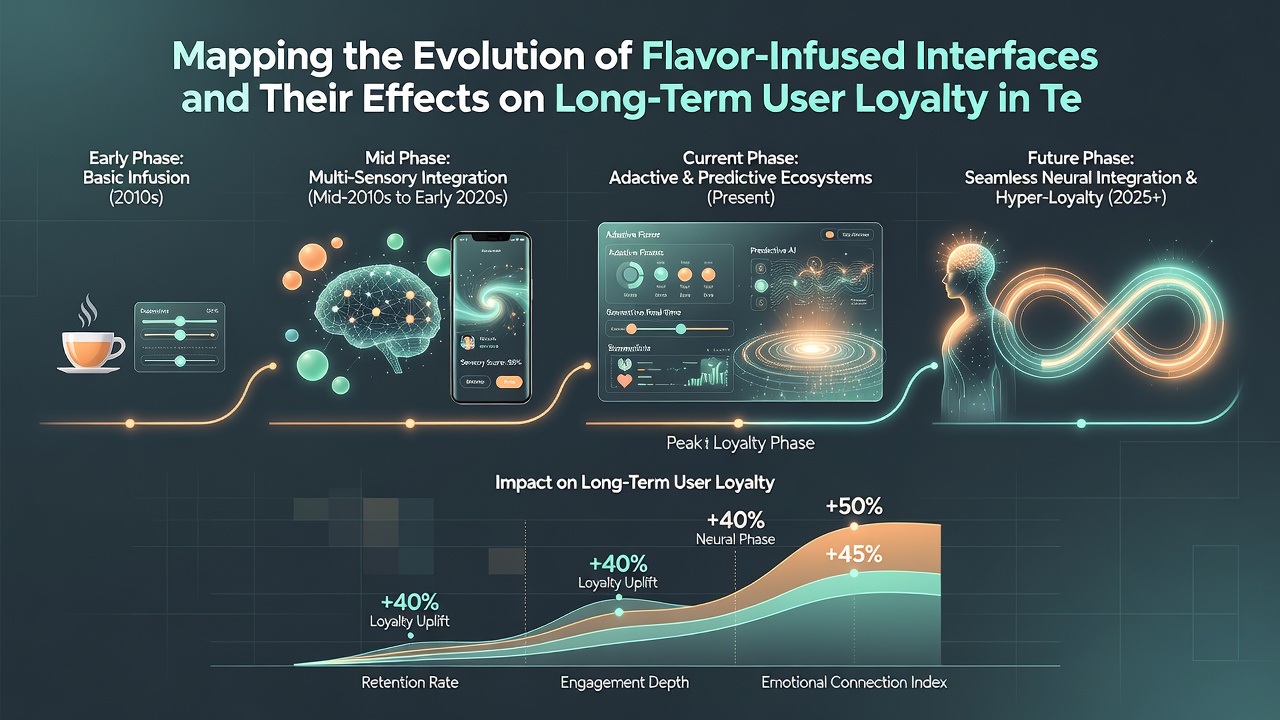
Long-term loyalty measurements encompass repeat engagement rates, subscription renewals, and cross-product migration success. Evidence suggests flavor-infused systems contribute to these outcomes by creating distinctive sensory anchors that users recall during platform switches. Figures from research institutions demonstrate that ecosystems maintaining consistent flavor languages experience lower churn compared with those lacking such continuity. Analysts attribute this pattern to the way repeated exposure strengthens associative memory links between interface actions and perceived flavor experiences.
Platform transitions present particular challenges where users encounter new environments. Data indicates that pre-mapped flavor bridges reduce friction during migrations because individuals carry familiar sensory references into updated interfaces. In cases where transitions occurred without flavor continuity, retention dipped noticeably within the initial quarter. Companies that implemented gradual flavor evolution protocols observed steadier loyalty curves as users adapted without abrupt sensory resets.
Current Practices and Measurement Approaches
Modern implementations combine machine learning models with user feedback loops to refine flavor assignments dynamically. Observers report that systems now monitor micro-interactions such as dwell time on menu items and correlate those with flavor preference adjustments. Academic papers detail methodologies where researchers segment user cohorts by flavor sensitivity profiles and track loyalty indicators over multi-year periods. These approaches yield granular insights into how specific flavor combinations influence sustained platform attachment.
Industry organizations have begun compiling comparative datasets across regions to identify best practices. Australian trade groups released summaries showing elevated loyalty in entertainment applications that incorporated regional flavor references, while United States research centers documented similar patterns in enterprise collaboration tools. The resulting knowledge base supports iterative design cycles that prioritize measurable retention gains over aesthetic experimentation alone.
Conclusion
The trajectory of flavor-infused interfaces demonstrates steady incorporation into broader tech ecosystems with documented effects on user retention and migration success. Ongoing data collection from diverse regulatory and academic sources continues to inform refinements that maintain consistency while accommodating individual variation. As platforms evolve through 2026 and beyond, the established frameworks provide structured pathways for sustaining loyalty through sensory continuity across devices and services.